
Do Location Pages Actually Help With SEO?
Location pages work - but only when they're real. Here's the difference between useful ones and filler.
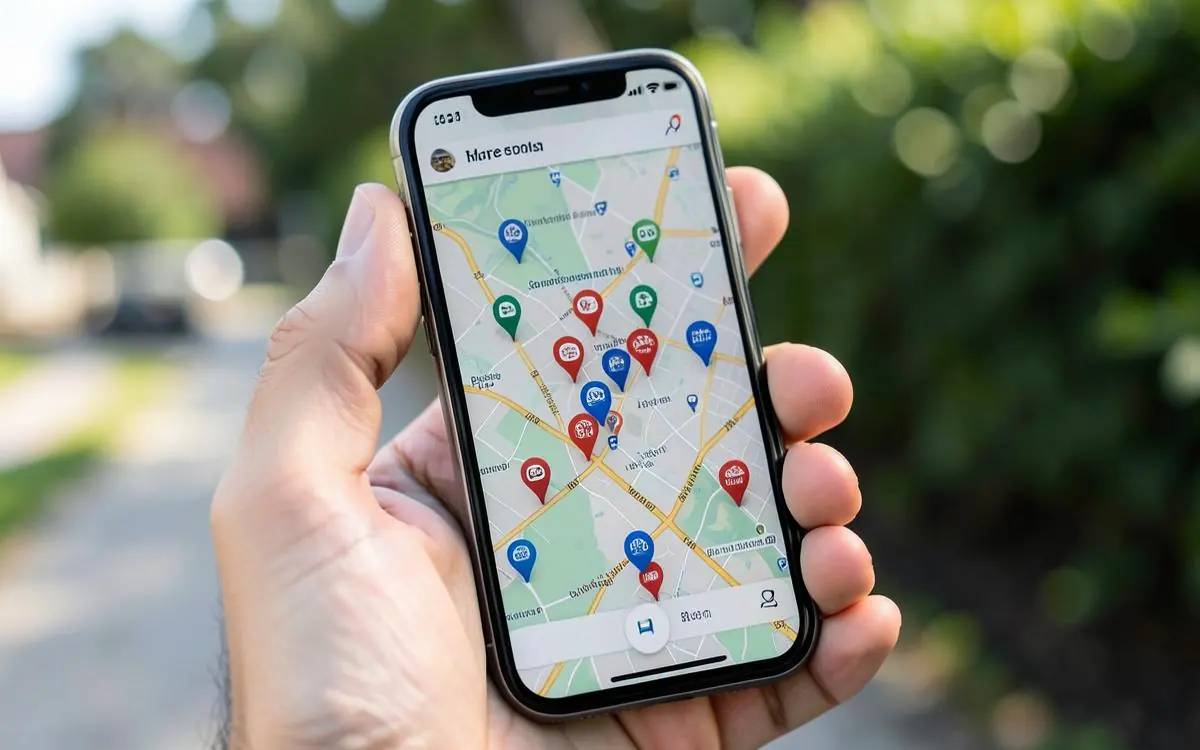
Location pages have a mixed reputation, mostly because so many of them are rubbish. Done properly they're one of the most effective things a local small business can do. Done lazily they're a waste of everyone's time.
Why they can work so well
People search locally - "electrician Newtown", "plumber near Hawthorn", "deck builder Gold Coast". A page that specifically addresses that area has a much better chance of matching that search than a general home page. It also reassures the visitor immediately that you cover them, which is the first thing they check.
Why so many fail
- Identical text across dozens of pages with only the suburb changed.
- Suburbs the business doesn't actually service.
- No local detail - no jobs, no photos, no reviews, nothing specific.
- Hundreds of pages published at once with nothing to distinguish them.
- No links from anywhere, so nobody and nothing finds them.
Search engines are good at spotting mass-produced pages. Even when they don't actively hurt, they don't help - and they make the whole site feel thin.
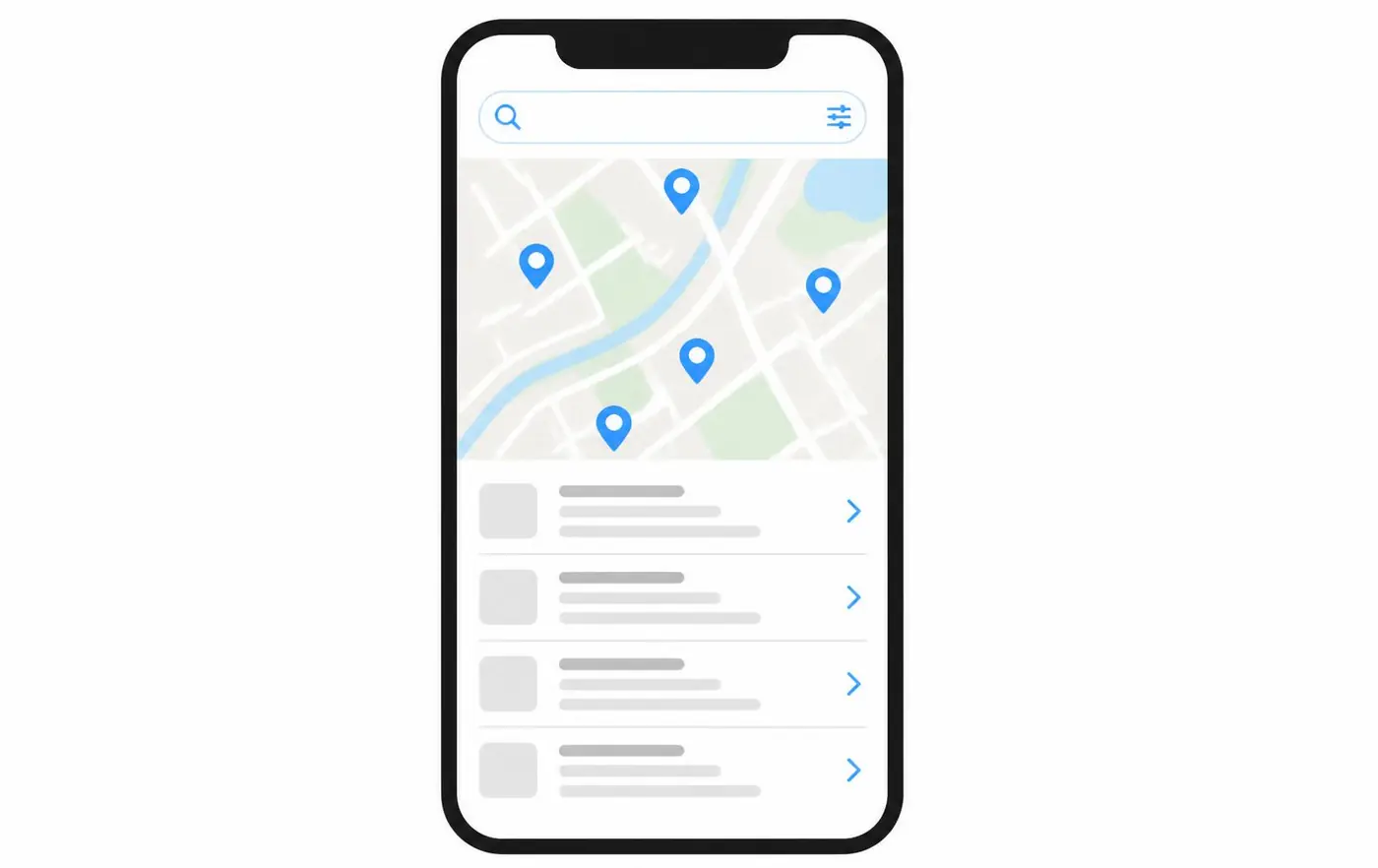
What a good location page contains
- A heading that names the service and the area plainly.
- Confirmation you work there, with your typical response time.
- Something true about the area: housing age, common problems, parking or access, the kinds of jobs you get called for there.
- Jobs you've actually done nearby, with photos if you have them.
- Reviews from customers in or near that area.
- Links to the relevant service pages for the detail.
- Neighbouring suburbs you also cover.
- Contact details and one clear call to action.
How many to build, and how fast
Start with the suburbs you already work in most. Do those properly. Add more as you take on work in new areas, so each page has something real behind it. Publishing steadily beats dumping two hundred pages in a week.
When not to bother
- You only work in one suburb - one strong home page and a clear coverage statement will do.
- You can't say anything specific about the area.
- You wouldn't actually travel there.
Before publishing a location page
- You genuinely take work in this area
- The page says something true and specific about it
- You've mentioned at least one real job or example nearby
- It links to your relevant service pages
- It's reachable from a service areas page
- It reads like it was written, not generated
Related: service pages vs location pages. If you'd like the structure built properly from the start, see Tradie Website Design.
Want to Improve Your Google Visibility?
SEO varies enormously depending on your website, your market and who you're competing against, so there's no fixed package. Tell me what you do and where you work, and I'll tell you honestly what's realistic.
Talk to Mike About SEOCommon questions
- Can I automate location pages?
- You can, and it usually shows. Automation is fine for the layout; the words on each page still need to be genuinely different.
- Do location pages compete with my home page?
- Not if the home page targets your main service and city, and each location page targets its own area. Problems only arise when several pages say the same thing.

Written by Mike - Web Guy Mike
I build and look after websites for Australian tradies and small service businesses. Every site is built by me - no outsourcing, no account managers. More about Mike.