
How to Get More Plumbing Enquiries From Your Website
The changes that reliably lift plumbing enquiries, starting with the ones you can make this week.
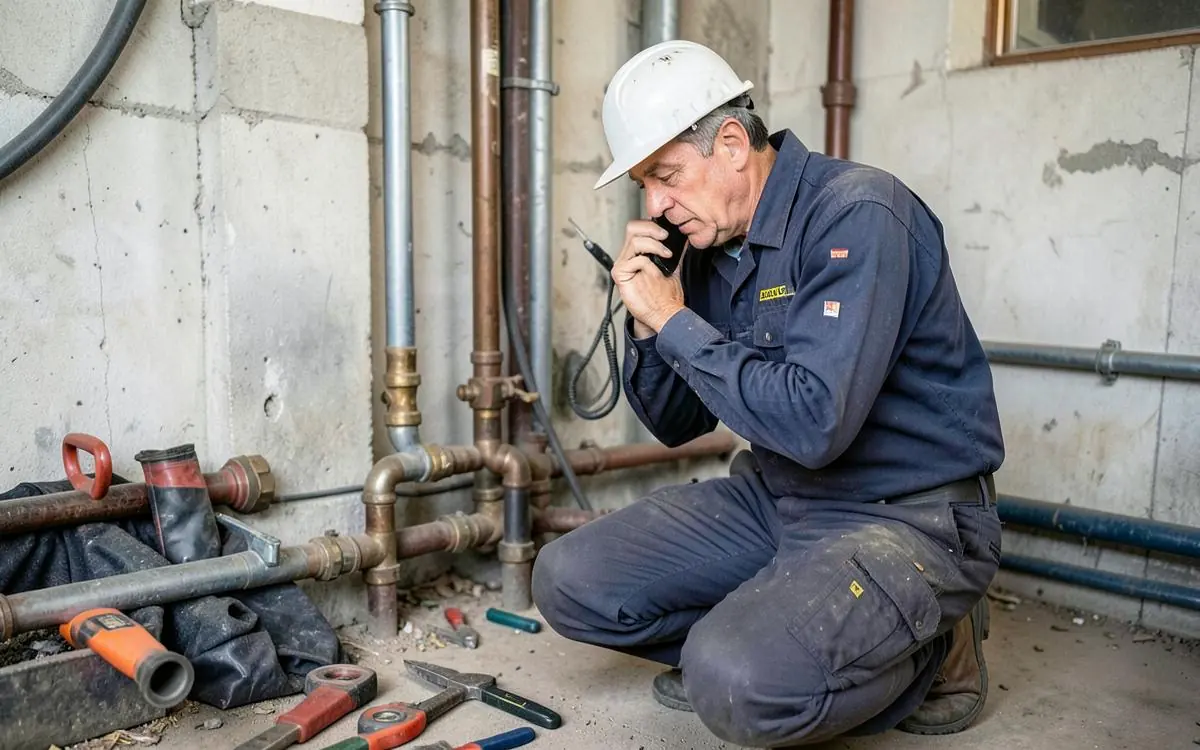
Plumbing is an urgency trade. Most people contacting you have a problem right now and will ring the first business that looks capable. That shapes everything about how the website should work.
1. Design for a panicked thumb
Someone with water across the floor is holding a phone one-handed. Sticky header, big tap-to-call button, no popups, no cookie banner covering the number, no slider to scroll past.
2. Write pages that match what people type
"Blocked drain", "no hot water", "burst pipe", "toilet won't flush", "gas leak smell". Those are the searches. A single "Services" page can't rank for all of them or answer any of them properly.
3. Be honest about cost
Publish the call-out fee. Give a typical range for a drain clear or a hot water swap, and explain what changes it. Uncertainty sends people to the next result.
4. Say when you can get there
"Same-day where possible, most jobs within two hours in [area]" is worth more than any slogan - provided it's true.

5. Prove it with photos and reviews
Before-and-after drain work, a tidy new hot water unit, a finished bathroom. Then recent reviews near the top, not buried at the bottom.
6. Name your suburbs
People check whether you cover them before they ring. Make that a two-second answer.
7. Cut the form down
Name, phone, suburb, problem. That's it. You can ask the rest when you call back.
8. Reply within minutes, not hours
For urgent work, the first plumber to answer usually gets the job. If you're on the tools, a quick text acknowledging the enquiry holds it long enough for you to ring properly.
9. Keep your Google Business Profile current
Hours, services, photos, and a steady flow of recent reviews. For urgent local searches, the map results often get looked at before the website.
10. Test your own enquiry path monthly
Send yourself a form submission. Ring your own number. Broken forms are silent - you only notice the quiet.
This week's list
- Sticky tap-to-call header on mobile
- Call-out fee published
- A page each for blocked drains, hot water and emergency work
- Response times stated honestly
- Reviews moved up the page
- Enquiry form cut to four fields and tested
If the current site fights you on all of this, a rebuild is usually quicker. See Plumber Website Design - a one-off payment of $99 to get started, then $45/week once your website goes live, built and maintained by me.
Need a Better Website for Your Business?
Professional websites built by Mike - $99 to get started, then 5 weeks free after launch to see how it performs before $45/week, including hosting, your domain, SEO foundations and a monthly update.
See what your website can do. Nothing more to pay until it has been live for 5 weeks.
Common questions
- Are enquiry forms even worth having for plumbing?
- Yes - for non-urgent work like renovations, quotes and maintenance, plenty of people prefer to write rather than ring. Keep the phone number dominant and the form short.
- Should I chase SEO or fix the website first?
- Fix the site first. Sending more traffic to a page that doesn't convert just costs more. Then read what SEO actually means for a small business.

Written by Mike - Web Guy Mike
I build and look after websites for Australian tradies and small service businesses. Every site is built by me - no outsourcing, no account managers. More about Mike.