
10 Tradie Website Mistakes That Could Be Costing You Enquiries
Ten fixable problems that quietly lose trade businesses enquiries, with what to change on each one.
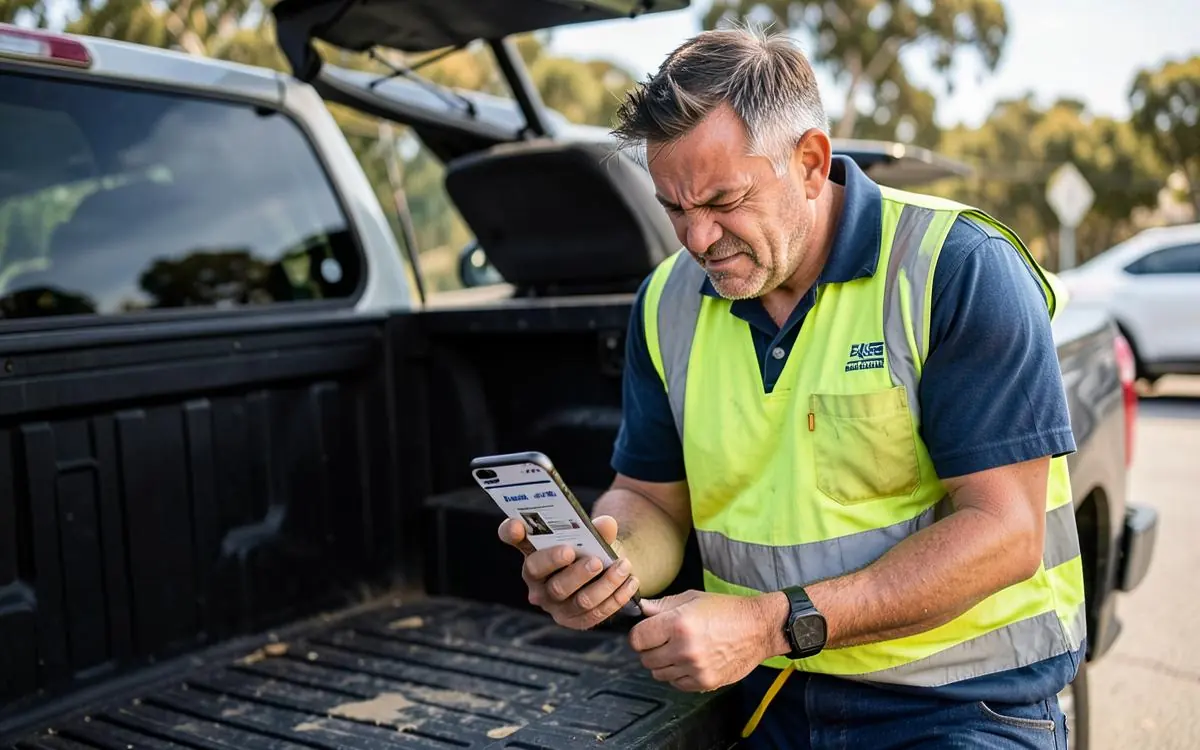
Most tradie websites don't fail because they look bad. They fail because someone with a job to book couldn't find what they needed fast enough and rang the next business on the list. Here are the ten problems I see most often, roughly in order of how much damage they do.
1. The site is slow on mobile
A homepage carrying six huge un-resized photos and three sliders can take many seconds to become usable on a phone on mobile data. People don't wait. Compress images, size them properly, lazy-load anything below the first screen and drop the sliders - they rarely earn their weight.
2. Mobile design that's really a shrunken desktop
Tiny text, buttons too close together, tables that scroll off the side, a menu that needs two taps to open. Pick up your own phone, open your site, and try to book yourself. If anything makes you squint or pinch, fix that first.
3. The phone number is hidden
A phone number in the footer, in an image, or only on the contact page is a phone number nobody rings. It belongs in the header of every page, and on mobile it should be a tap-to-call link - not text people have to copy.
4. No clear call to action
"Learn more" and "Read about us" aren't calls to action. Every page should finish by telling the visitor exactly what to do next: call this number, or send this short enquiry. One dominant action per page beats five competing ones.
5. No photos of your own work
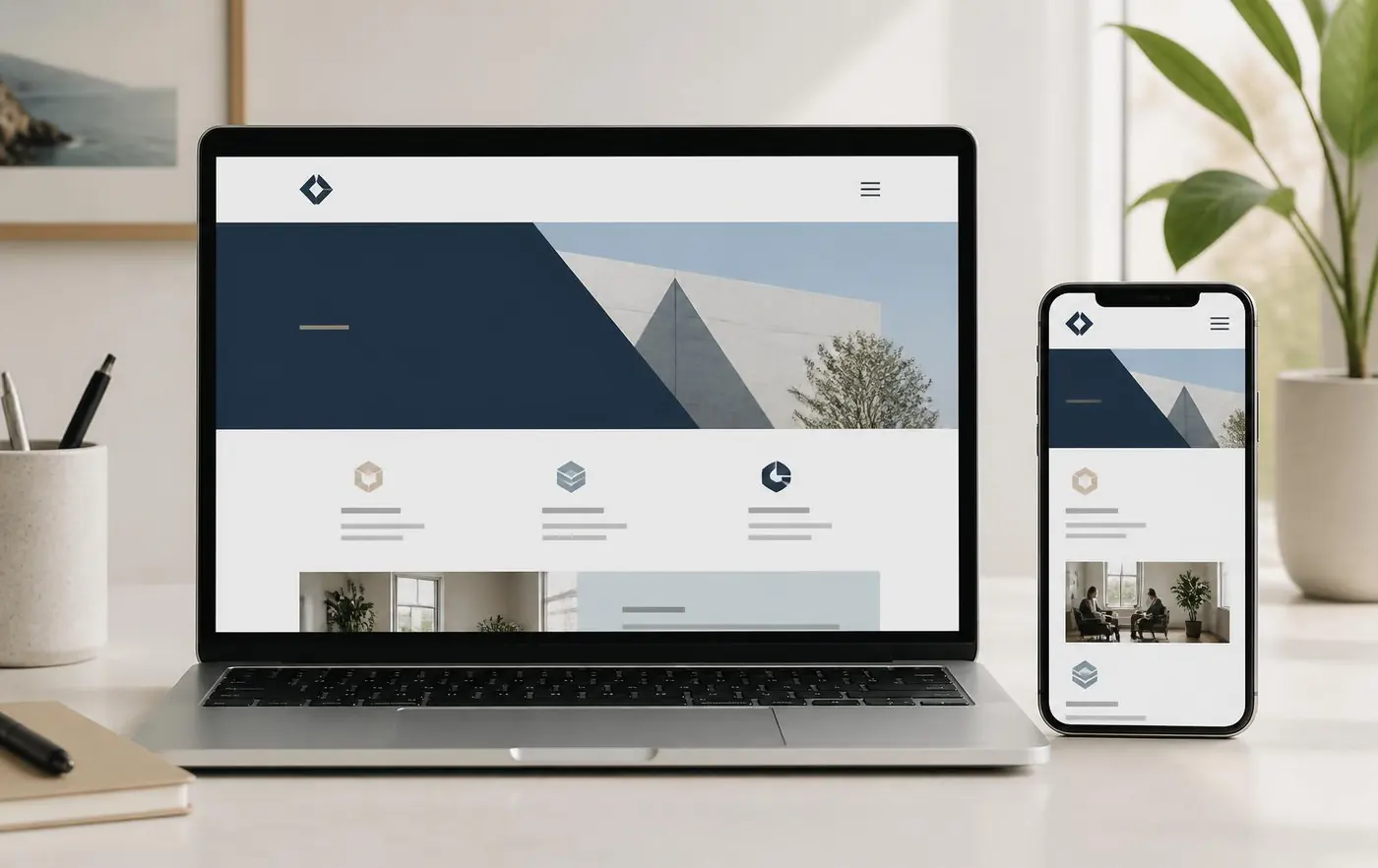
Stock photos tell a visitor nothing about your standard of work. Your own job photos tell them everything. Twelve honest photos - straight, in daylight, with the site tidied - will out-sell a professionally shot stock library.
6. Generic content that could belong to anyone
"We pride ourselves on quality workmanship and customer satisfaction" appears on thousands of trade websites. Replace it with specifics: what you do, what you don't do, how you quote, how quickly you respond, which suburbs you cover, what your warranty is. Specific is persuasive; generic is invisible.
7. Every service crammed onto one page
A single "Services" page with a bullet list gives visitors nothing to read and search engines nothing specific to rank. Individual service pages let you actually answer the question the searcher has. That's covered in more detail in should every service have its own page.
8. No trust signals
Licence numbers, insurance, years in business, genuine reviews, real names and faces, brands you install, areas you cover. Without them, a visitor comparing three sites has nothing to choose on except price.
9. Confusing navigation
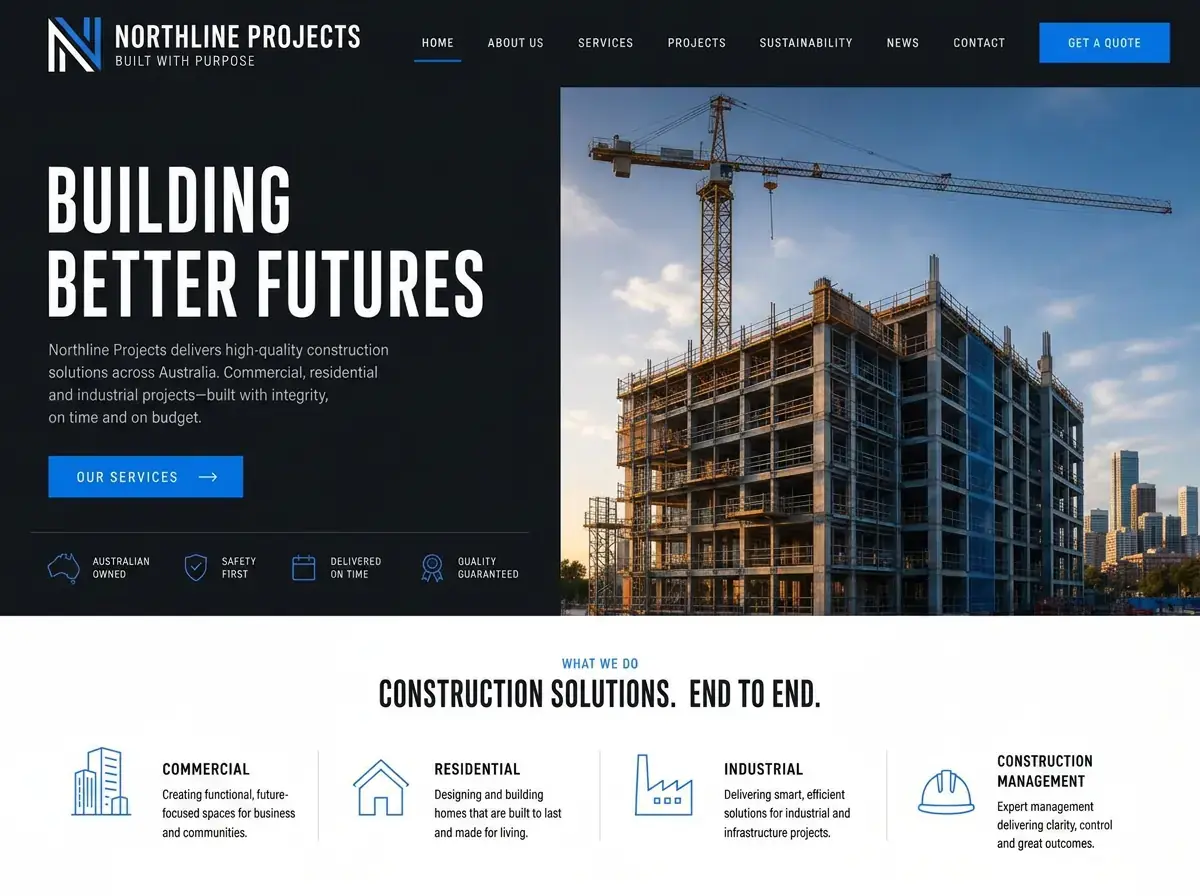
Twelve menu items, dropdowns inside dropdowns, and page names only you understand. Aim for five or six clear items: Home, Services, Areas, About, Contact. If you can't explain the menu in one breath, simplify it.
10. A site that hasn't been touched in five years
Outdated design reads as "possibly out of business". So do old copyright years, services you no longer offer, and a mobile number you changed in 2021. Even a small refresh - new photos, current details, tidied copy - changes how people judge you.
 Design Example
How to check your own site in ten minutes
- Open it on your phone, on mobile data, not wi-fi. Time how long until you can tap something.
- Try to call yourself from the homepage in one tap.
- Search your own site for your three best-earning services. Does each have a page?
- Count the photos of your own work.
- Read the first paragraph aloud. Could a competitor use it word for word?
If most of those come back badly, the fastest fix is usually a rebuild rather than patching. That's what the Tradie Website Design package is for.
Need a Better Website for Your Business?
Professional websites built by Mike - $99 to get started, then 5 weeks free after launch to see how it performs before $45/week, including hosting, your domain, SEO foundations and a monthly update.
See what your website can do. Nothing more to pay until it has been live for 5 weeks.
Common questions
- How do I know if my website is actually losing me enquiries?
- Check whether your enquiry form still sends, look at how many calls you get from the site, and ask new customers how they found you. If nobody mentions the website, it isn't doing its job.
- Is it worth fixing an old website or starting again?
- If the structure is sound and it's just tired, a refresh works. If the site is slow, hard to edit, missing service pages and awkward on mobile, rebuilding is usually cheaper than patching.

Written by Mike - Web Guy Mike
I build and look after websites for Australian tradies and small service businesses. Every site is built by me - no outsourcing, no account managers. More about Mike.