
What Should a Carpenter's Website Include?
What belongs on a carpentry website, from service pages to the portfolio that does the convincing.
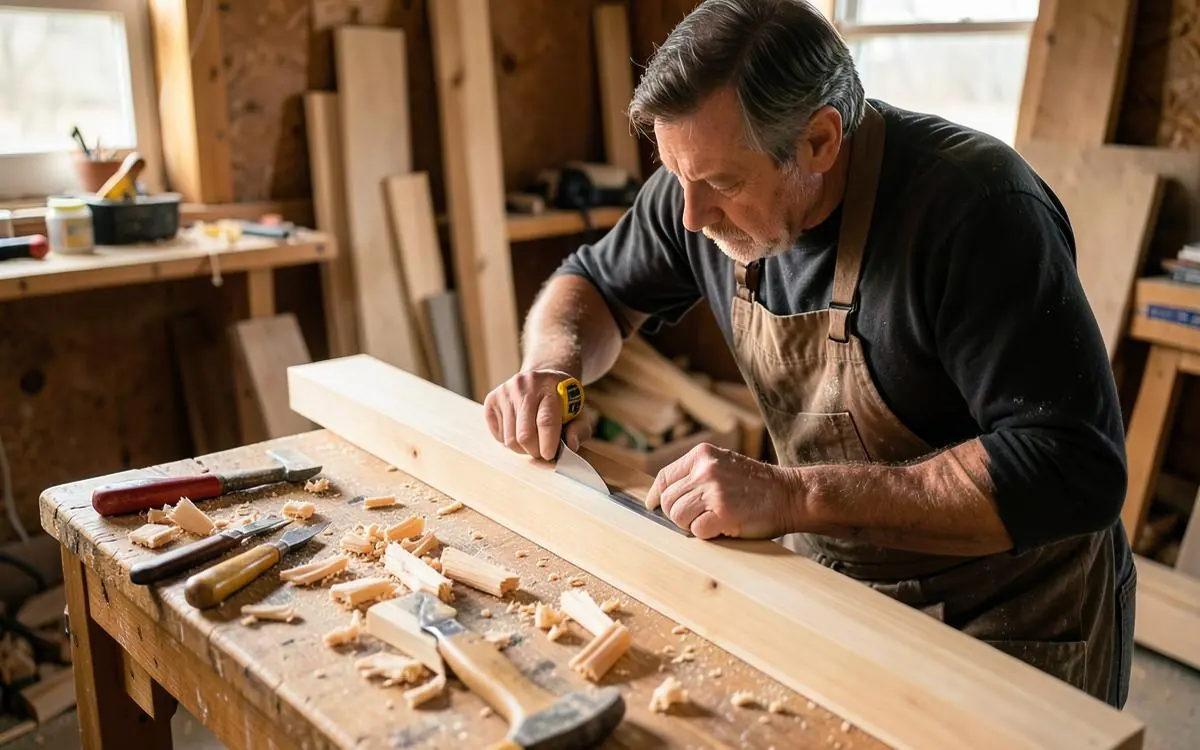
Carpentry customers rarely book on the spot. They browse, compare, and think about it for a week. Your website's job is to still be the best option when they come back.
Service pages worth having
- Decking and outdoor timber work
- Pergolas, patios and privacy screens
- Home renovations and extensions
- Built-in storage, wardrobes and shelving
- Kitchen and bathroom carpentry
- Framing and structural carpentry
- Doors, windows and architraves
- Timber flooring and stairs
- Shop and office fit-outs
- Repairs and rot replacement
On each: what's involved, timber and material options, what drives the price, how long it takes, and what the process looks like from quote to finish.
The portfolio
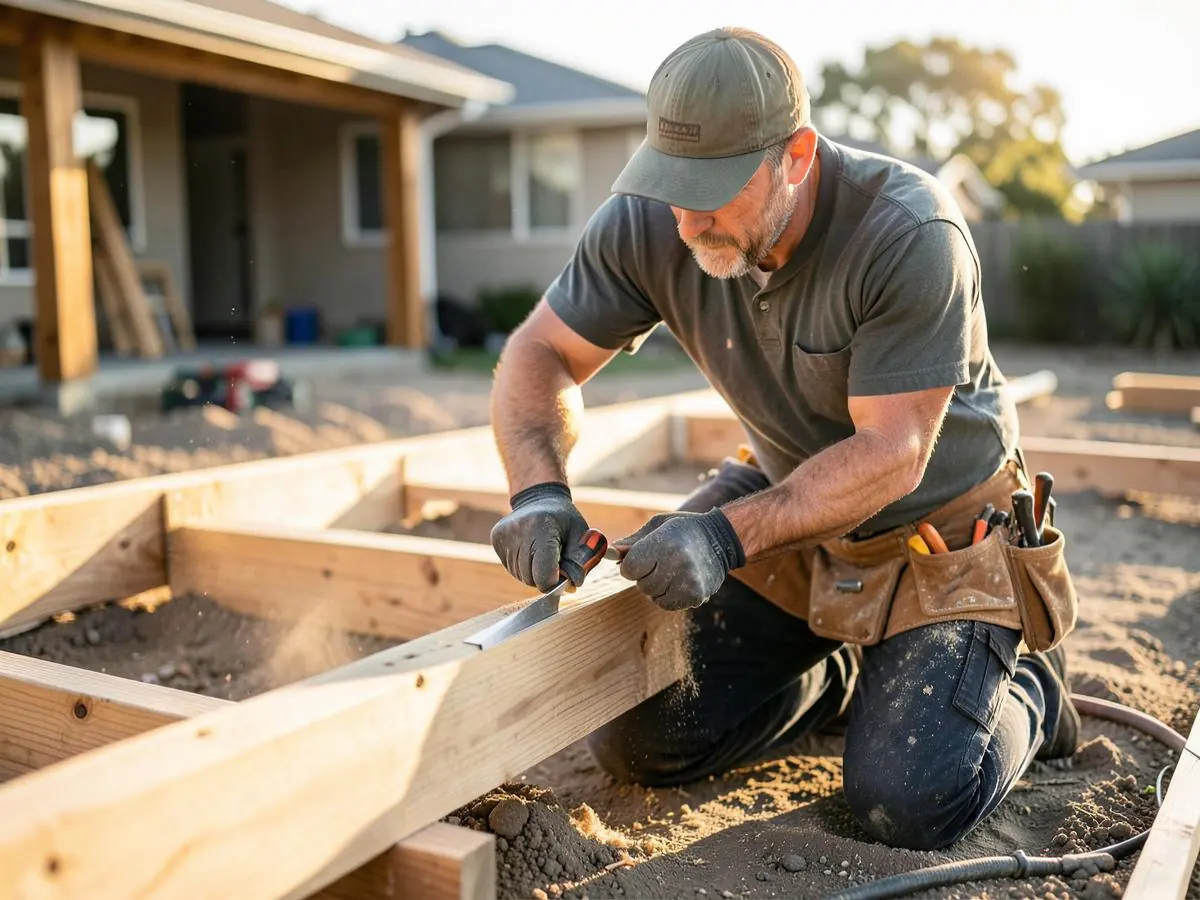
This is the heart of a carpentry website. Group photos by project rather than dumping them into one gallery, and give each project a short write-up: what the customer wanted, what you built, materials used, roughly how long it took. Include a before shot wherever you have one.
Explain how you work
Larger jobs mean bigger commitments, so uncertainty is the enemy. Spell out the steps: initial call, site visit, written quote, deposit, scheduling, build, final walkthrough. Say what your quotes include and exclude, and what your lead time looks like.
Trust signals
- Licence number and any relevant building registration.
- Public liability insurance.
- Years in the trade and the types of jobs you prefer.
- Warranty on workmanship.
- Genuine reviews, ideally naming the type of job.
- Whether you handle council approvals or engineering for decks and pergolas.
Service areas
Name the suburbs you work in. It's how people confirm you're worth contacting, and it helps local search.
The enquiry form
Slightly longer is fine here - name, phone, suburb, project type, rough size or budget, and a description. Project enquiries benefit from detail in a way emergency calls don't.
The technical basics
- Photos compressed properly so galleries load fast.
- Readable on a phone, with galleries that swipe.
- Enquiry form that reaches your inbox - test it monthly.
- Unique page titles and descriptions.
- SSL and a maintained platform.
- Google Business Profile with matching details.
Carpentry website checklist
- A page for each main carpentry service
- Six to twelve properly photographed projects
- Short write-up on every project
- Licence, insurance and warranty stated
- A clear quote-to-completion process
- Suburbs you cover
- Genuine reviews
- Enquiry form suited to project work
If you'd rather have it built for you, see Carpenter Website Design, or read what a carpenter website costs.
Need a Better Website for Your Business?
Professional websites built by Mike - $99 to get started, then 5 weeks free after launch to see how it performs before $45/week, including hosting, your domain, SEO foundations and a monthly update.
See what your website can do. Nothing more to pay until it has been live for 5 weeks.
Common questions
- Should I include prices for decks or pergolas?
- A per-square-metre range with the assumptions stated helps people self-qualify. Be clear about what changes it - height, materials, approvals, site access.
- What if my photos aren't great?
- Daylight, a tidy site, a straight phone held level and both a wide and a detail shot will get you 90% of the way. Consistency matters more than gear.

Written by Mike - Web Guy Mike
I build and look after websites for Australian tradies and small service businesses. Every site is built by me - no outsourcing, no account managers. More about Mike.