
How Many Pages Does a Small Business Website Need?
A simple method for deciding how many pages your website needs, and which ones actually matter.
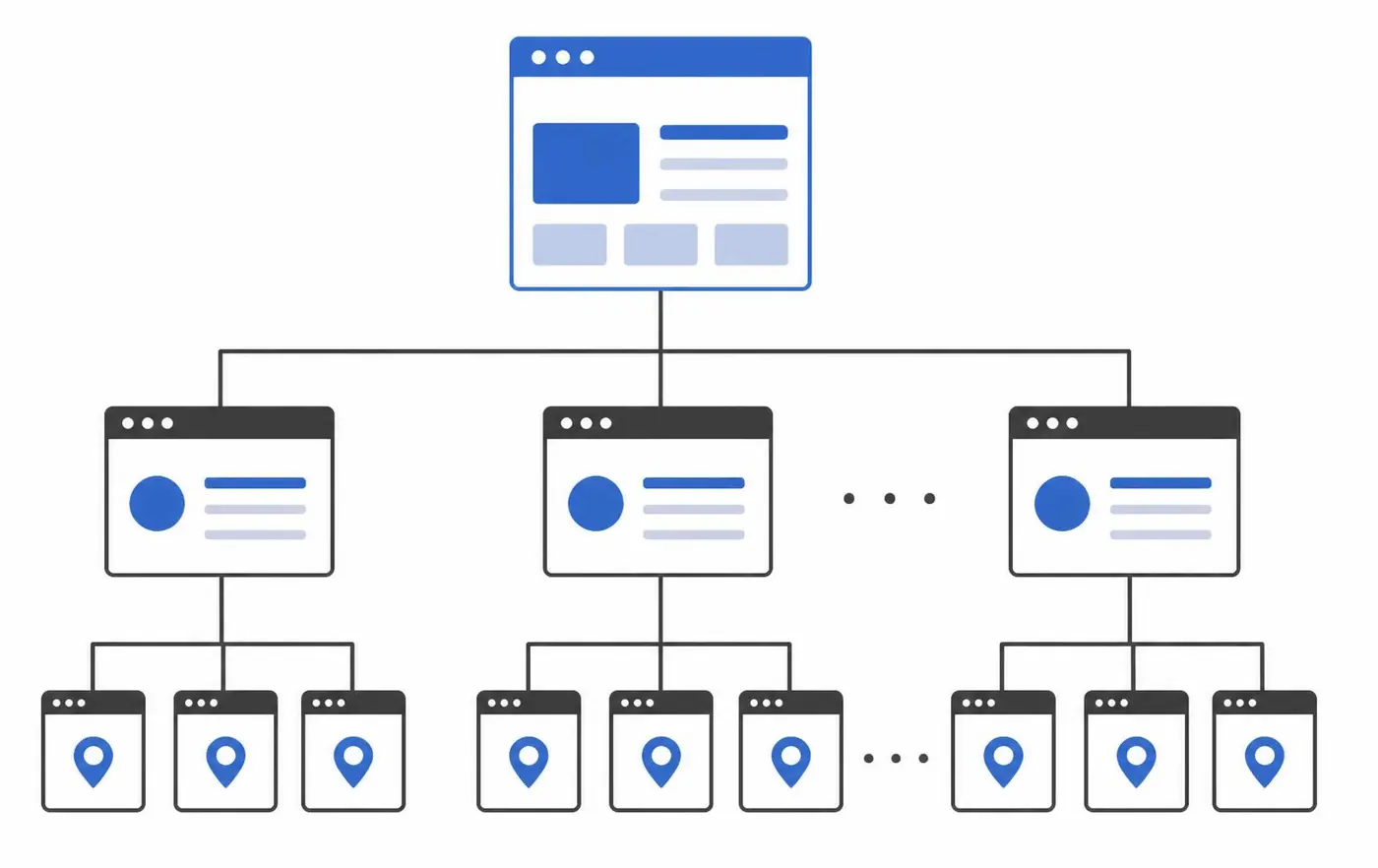
"How many pages do I need?" is really two questions: how many do customers need to make a decision, and how many does search need to understand what you do. The answer is usually the same number.
The pages nearly every business needs
- Home - what you do, who for, where, and how to get in touch.
- About - who's behind the business, licences, experience.
- Contact - phone, form, hours, areas.
- A page per main service - this is where most of the value sits.
- Service areas - the suburbs or region you cover.
That's typically five to ten pages depending on how many services you offer.
Pages worth adding when they're relevant
- Gallery or portfolio - essential for anything visual.
- Reviews - if you have enough genuine ones to fill a page.
- Pricing - even a rough guide helps people self-qualify.
- FAQ - the questions you answer on the phone every week.
- Location pages - where you genuinely work.
- Blog or advice - if you'll actually keep it updated.
And the ones almost nobody needs: a "welcome" page, a separate "our values" page, and a news page with three posts from 2021.
| Business type | Typical page count | Where the pages go |
|---|---|---|
| Sole trader, one or two services | 5–7 | Home, about, contact, 2–3 services, areas |
| Trade business, several services | 8–12 | A page per service plus areas |
| Multi-suburb trade business | 12–30+ | Services plus genuine location pages |
| Professional services | 6–10 | Services, about, credentials, contact |
Why more pages isn't automatically better
Thin, near-duplicate pages made only to have more pages don't help anyone. Ten strong pages will out-perform sixty templated ones, and they're far easier to keep current. The test for every page: does it answer a question someone actually has?
How to work out your own number
- List every service you'd happily take more of.
- Cross off any that are really variations of another.
- Add the five core pages.
- Add a gallery if your work is visual.
- Add location pages only for areas you genuinely service.
That's your number. For most trade businesses it lands around ten - which is why the website package is built around up to 10 pages.
Start right and grow
It's better to launch with eight good pages than to wait six months for twenty. Add pages as you notice the questions you keep answering, or the services you want more of.
Need a Better Website for Your Business?
Professional websites built by Mike - $99 to get started, then 5 weeks free after launch to see how it performs before $45/week, including hosting, your domain, SEO foundations and a monthly update.
See what your website can do. Nothing more to pay until it has been live for 5 weeks.
Common questions
- Does a one-page website ever work?
- For a very simple business, it can look fine - but it gives search engines one target instead of ten, so you'll struggle to be found for individual services. See should every service have its own page.
- Can I add pages later?
- Yes, and you should. A website is meant to grow with the business - that's part of what an ongoing arrangement is for.

Written by Mike - Web Guy Mike
I build and look after websites for Australian tradies and small service businesses. Every site is built by me - no outsourcing, no account managers. More about Mike.